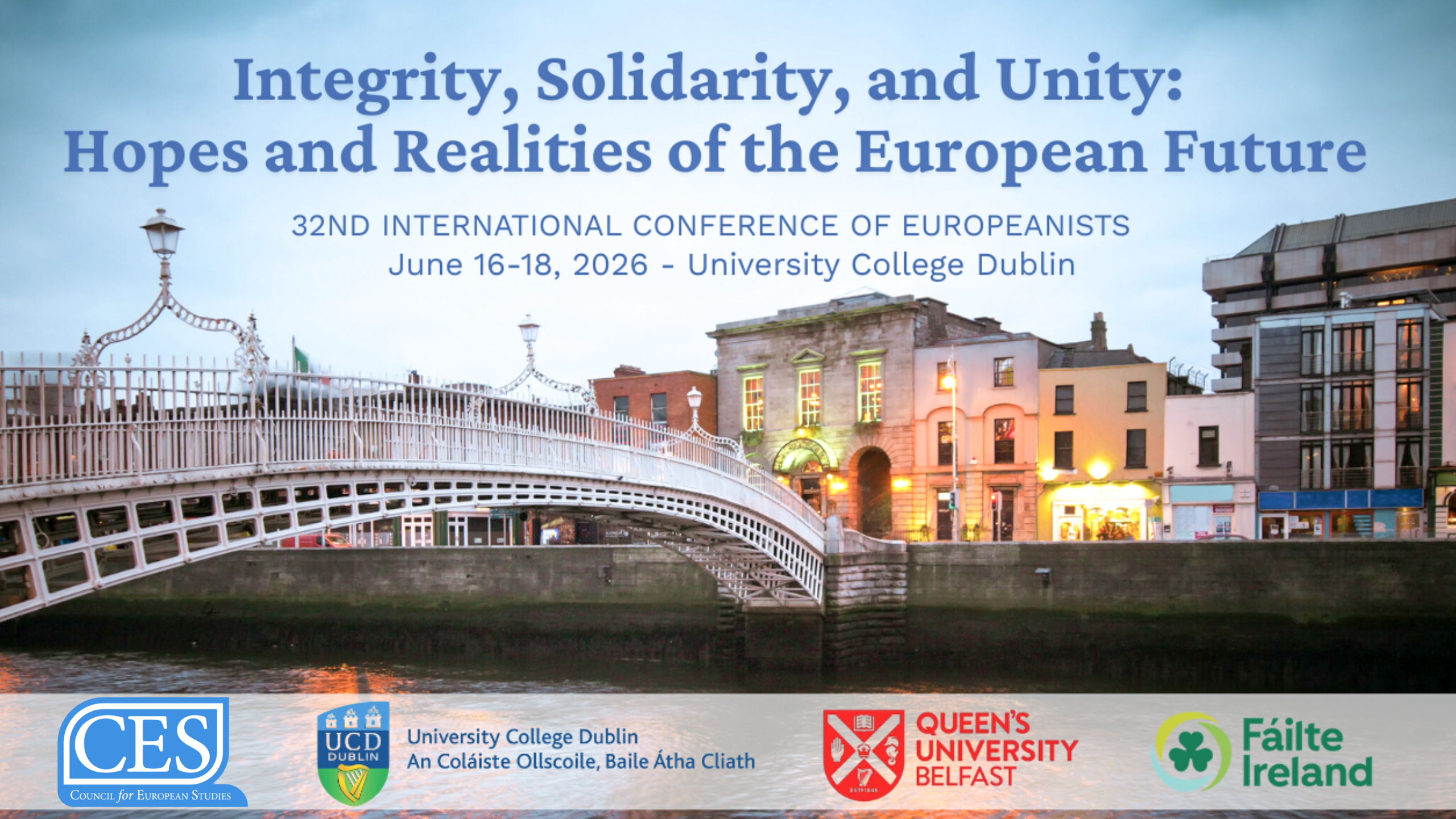
Hosted by the University College Dublin | Dublin, Ireland | June 16–18, 2026
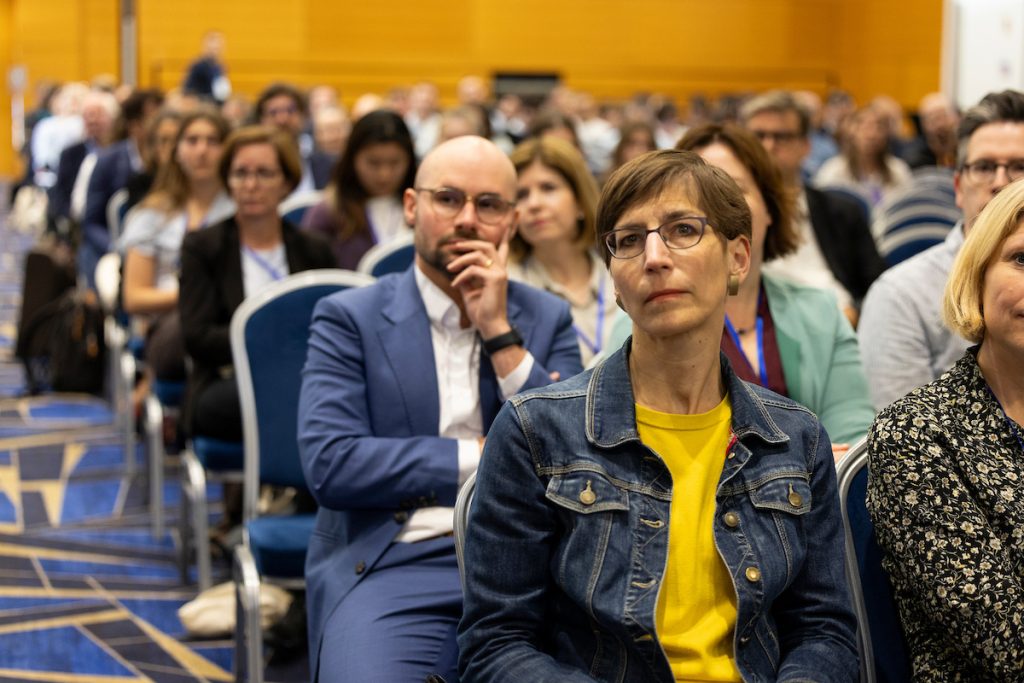
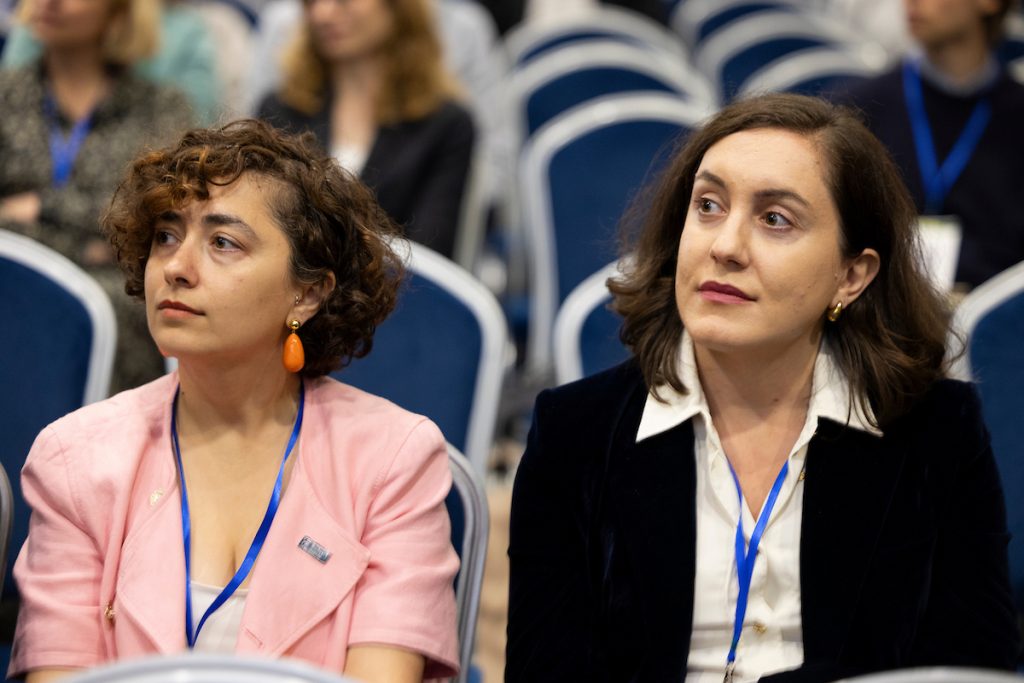
The 2026 CES conference, the 32nd annual International Conference of Europeanists, brought 1,123 scholars, students, university representatives, and practitioners to University College Dublin for three and a half days of research exchange, professional development, networking, and public engagement. We accepted almost 1,500 conference applications and saw 1,123 registered participants. This year’s annual conference demonstrated the strength, vitality, and transatlantic reach of the field of European Studies.
This year’s conference saw delegates from 53 different countries. The largest groups of delegates came from the United States, Germany, Ireland, and the United Kingdom. The conference also welcomed delegates from across Europe, North America, Asia, Africa, the Middle East, Latin America, and Oceania. We were delighted to see such a geographic reach, which reinforced that the CES conference remains one of the leading international forums for interdisciplinary research on Europe.
The 2026 conference program featured 310 panels and sessions, including research panels, book panels, roundtables, workshops, plenary events, and networking sessions. 170 of these sessions were planned and promoted by the CES Research Networks. The strength and breadth of the conference program provided myriad opportunities for participants from across disciplines and career levels to present research, jump start new collaborations, and build international scholarly networks. The 2027 conference also featured opportunities for professional development exclusively for undergraduate, graduate students, and early career scholars.
The Dublin conference presented CES with the opportunity to build and strengthen insituttional partnerships in Ireland and and Europe more broadly, including University College Dublin, Fáilte Ireland, UACES, IACES, and JCMS. The success of the Dublin conference was made possible by the financial, institutional, intellectual, and logistical support of CES’s sponsors and partners, especially University College Dublin and Fáilte Ireland.
Download the conference program:
Attendance Data
Country Breakdown
- United States: 211 delegates
- Germany: 151 delegates
- Ireland: 114 delegates
- United Kingdom: 110 delegates
- Italy: 64 delegates
- Spain: 49 delegates
- Netherlands: 40 delegates
- France: 34 delegates
- Canada: 33 delegates
- Switzerland: 33 delegates
- Belgium: 31 delegates
- Denmark: 27 delegates
We also saw delegates from: Australia, Bosnia and Herzegovina, Brazil, Bulgaria, Chile, China, Estonia, Finland, Georgia, Iceland, Israel, Japan, Kosovo, Lithuania, Malta, New Zealand, Nigeria, North Macedonia, Palestine, Qatar, Serbia, South Africa, South Korea, Türkiye, Ukraine, and the United Arab Emirates.
Career Diversity
The conference also saw a diversity in career levels that included students at all levels, early-career researchers, established scholars, university representatives, and exhibitors. Having such a diversity in career levels strengthened opportunities for professional development and mentorship. More than 80% of participants were CES members.
| Membership Type | Percentage |
| Regular Member | 45.75% |
| Early Career | 18.85% |
| StudentUnemployedRetired | 15.84% |
| Non-Member | 12.57% |
| One Day Pass | 5.22% |
| Sustaining Member | 1.68% |
Intellectual Impact and Academic Programming
Reflecting the key themes of the conference, sessions at the CES conference addressed big questions regarding Europe’s past, present, and future, as well as the state of the transatlantic relationship. Across panels, roundtables, lectures, and workshops delegates presented research on questions related to democracy, security, migration, inequality, gender, political institutions, memory, violence, integration, social policy, education, and Europe’s place in a changing world.
The scale of the program itself was reflective of the conference’s intellectual impact. The program included 310 panels and sessions across three days, addressing an exceptionally broad range of subjects within European Studies. The program combined traditional paper panels with book discussions, interdisciplinary roundtables, workshops, plenary events, and professional development sessions, allowing participants to engage through multiple formats and across disciplinary boundaries. These exchanges will contribute to new publications, teaching initiatives, research partnerships, and institutional collaborations.In addition to the three day program, the Historical Study of States and Regimes hosted their graduate workshop one day before the official start of the conference. The Social Movements Research Network also hosted a post-conference symposium at Dublin City University.
Program highlights included:
Historical Study of States and Regimes, Graduate Workshop
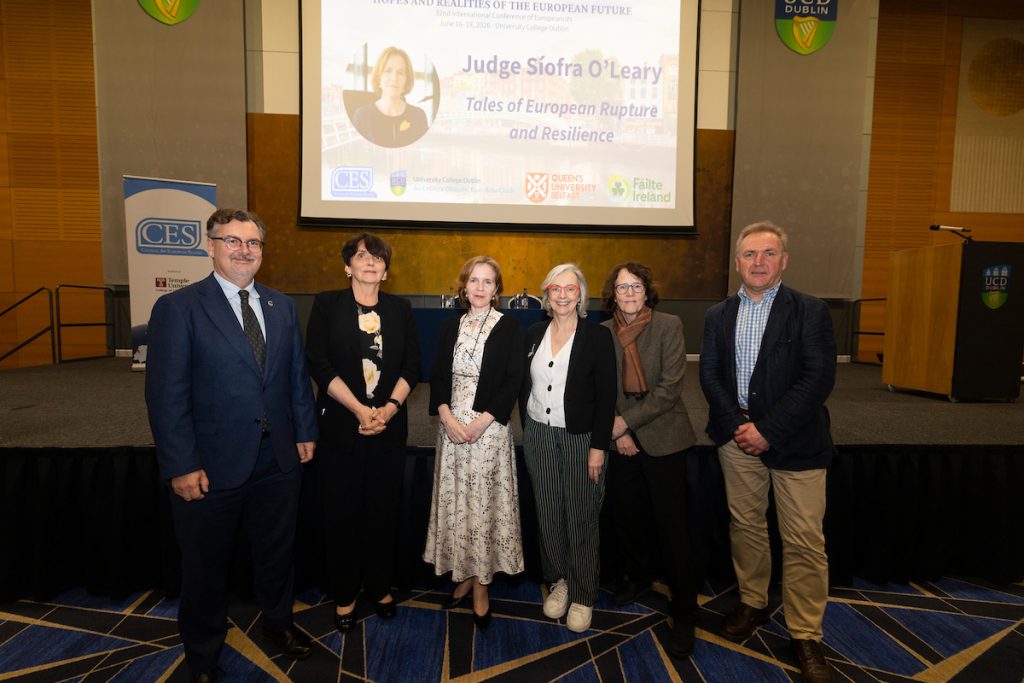
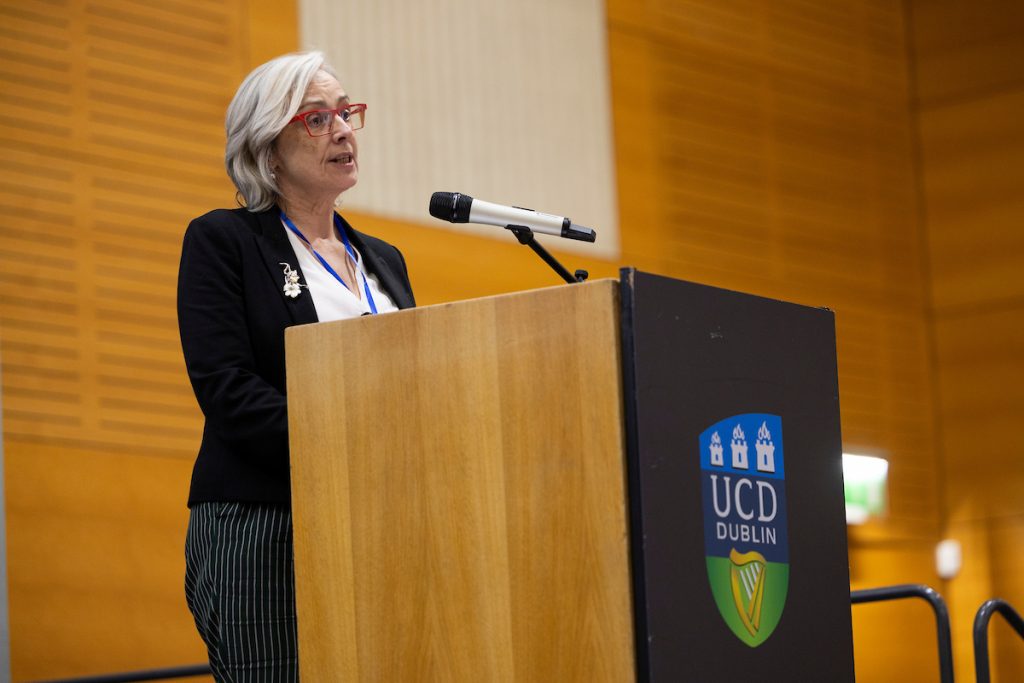
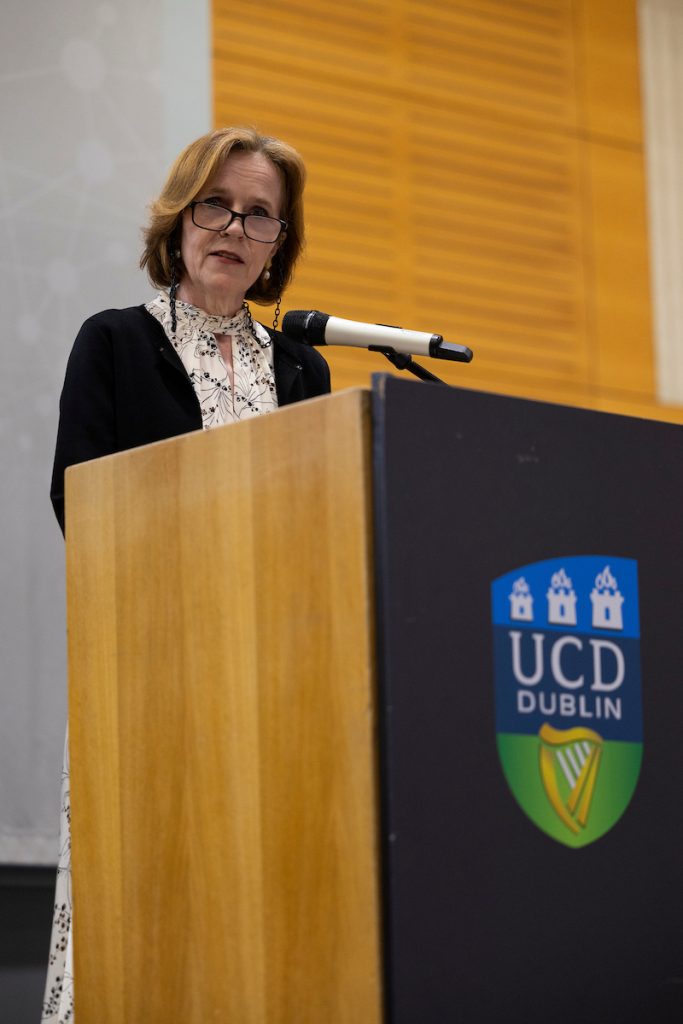
Keynote Lecture: Judge Síofra O’Leary, “Tales of European Rupture and Resilience.”
Presidential Reception, sponsored by Fáilte Ireland
Bloomsday Performance: Mark Lawler, “Doctoring James Joyce — a special performance as a part of the 32nd International Conference of Europeanists”
JCMS Annual Review Lecture: Sergio Fabbrini: “Loneliness in Times of War: The European Union and the Executive Power’s Deficit.”
IACES Plenary Roundtable: “Ireland, Europe, and the Changing Geopolitics of Peace and Security.” Speakers: Prof.John O’Brennan (NUI Maynooth), Dr Ken McDonagh (DCU), Prof. Ana Juncos (Bristol University) andProf. Brigid Laffan (EUI); Chaired by Dr Giada Lagana (Cardiff University)
JCMS Annual Lecture: Emanuela Lombardo, “Gender quality contested: institutional responses to anti-gender politics in parliament and feminist democratic innovations”
Special Event: Book of Kells Viewing and Reception
Undergraduate Symposium
Political Economy and Welfare Early Career Workshop
Social Movements Research Network Symposium, “Precarious Lives: Resistance, Solidarity, and Research during Catastrophe.”
and much more!
These exchanges will contribute to new publications, teaching initiatives, research partnerships, grant applications, and institutional collaborations.
Research Networks
CES Research Networks were absolutely central to the scale, diversity, and intellectual vitality of the conference. The Research Networks organized or contributed to approximately 170 panels, roundtables, workshops, and related events—roughly half of the overall conference program. Their involvement ensured that the program reflected the interests and expertise of CES members and created sustained intellectual communities.
Attending the conference as a Research Network member allowed participants to establish relationships with researchers working on similar topics and to become involved in CES beyond the annual conference.
This year saw several cross-RN programming, including several roundtable discussions and conference side-events.
The success of the Dublin conference reinforced the fact that the RNs are a core part of CES’s intellectual infrastructure and drives conference participation and intellectual engagement. THey also help ensure that conference participation produces longer-term scholarly engagement.
Professional Development and Supporting Early Career Reseachers
The conference offered opportunities for undergraduate students, graduate students, and early-career scholars to participate in CES’ international academic community and engage in professional development activities. Support for emerging scholars is a critical part of CES’ mission. As a reflection of that mission, this year we introduced an Early Career researcher price rate in order to make the conference price as approachable as possible to ECRs.
This year marked our second annual Undergraduate Symposium, which invited seven students from the United States and Ireland to present their research in a professional conference environment. These students also had the opportunity to volunteer at the conference, giving them multiple opportunities to engage with luminaries in the field of European Studies. The symposium offered a valuable opportunity for students to gain feedback on their original research, and gain confidence and experience in presenting their work in a professional setting.
The conference also hosted several opportunities for professional development, including a publishing workshop with editors from JCMS, Routledge, and Edinburgh University Press. These programs helped participants gain practical advice and knowledge about the publishing process. It also provided an opportunity to develop publishing connections that will support their future careers.
Through the CES conference travel grant program, we supported 10 travel grants for graduate students and emerging scholars, including those from underrepresented countries.
Sponsors and Partnerships
The success of the country depended in no small part on conference sponsors and partners, whose support was invaluable for supporting the impacts of the conference, including intellectual and experiential.
University College Dublin
As the host institution, University College Dublin provided the physical and intellectual setting for the conference. UCD faculty, staff, and students contributed local knowledge, institutional support, and organizational labor. UCD School of Politics and International Relations contributed vouchers to all volunteers, which directly supported the experience of graduate students.
Fáilte Ireland
Fáilte Ireland served as a major financial sponsor of the event and helped with event organization. Fáilte provided generous support that supported the costs of the Presidential Reception, which permitted us to enhance the Irish character of the reception. Thanks to Fáilte Ireland’s support, we were able to Guiness beer on draft and invite local musicians and dancers to perform at the reception. Fáilte Ireland’s support allowed us to significantly elevate the quality of the reception.
In addition, Fáilte Ireland supported the costs of an early site visit for CES staff, which was critical for planning a successful conference.
Partnerships:
Partnerships with scholarly organizations such as UACES, IACES, and JCMS expanded the conference’s intellectual reach and strengthened connections among our communities working on European affairs. Events and lectures sponsored by IACES and JCMS added to the intellectual rigor of the conference and contributed to conversations on the conference theme.
Location:
Locating the conference in Dublin and at UCD allowed CES to connect scholarly discussion with the city’s cultural and historical environment.
A special Bloomsday performance on June 16 introduced participants to Dublin’s literary heritage, while the Book of Kells event offered an opportunity for engaging with one of Ireland’s most significant cultural collections. These activities gave international participants a stronger connection to the host city and distinguished the Dublin conference from an event that could have taken place in any location. They also showed how partnerships with local cultural organizations can deepen a conference’s educational and experiential value.
We had a fantastic time working with UCD event staff and catering staff at Gather & Gather. Fiona Rogers and her team made sure all of our needs were quickly met, allowing us to focus on the delegates and program. UCD also allowed access to their university club restaurant throughout the duration of the conference, giving delegates a central place to network and exchange ideas over fantastic food and drinks.
Sustainability:
This year we partnered with Failte Ireland to measure the carbon footprint of the event. We also utilized their Green Business Toolkit to try to reduce our carbon footprint where possible. You can view the results of the Carbon Footprint Report here.
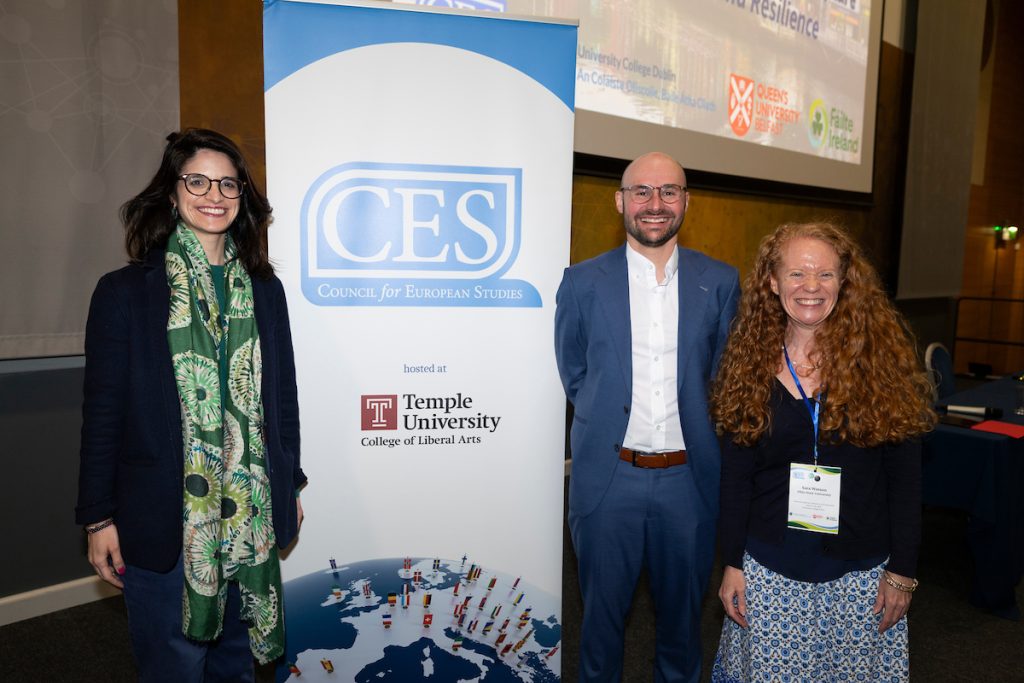
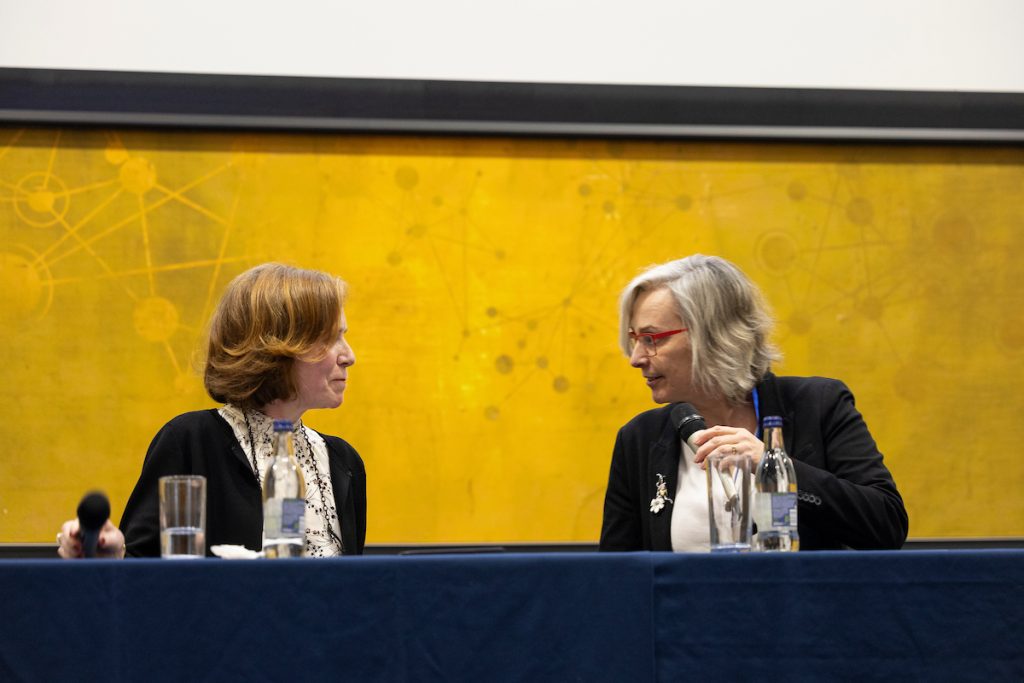
Photo Gallery
All photographs are courtesy of Jason Clarke Photography


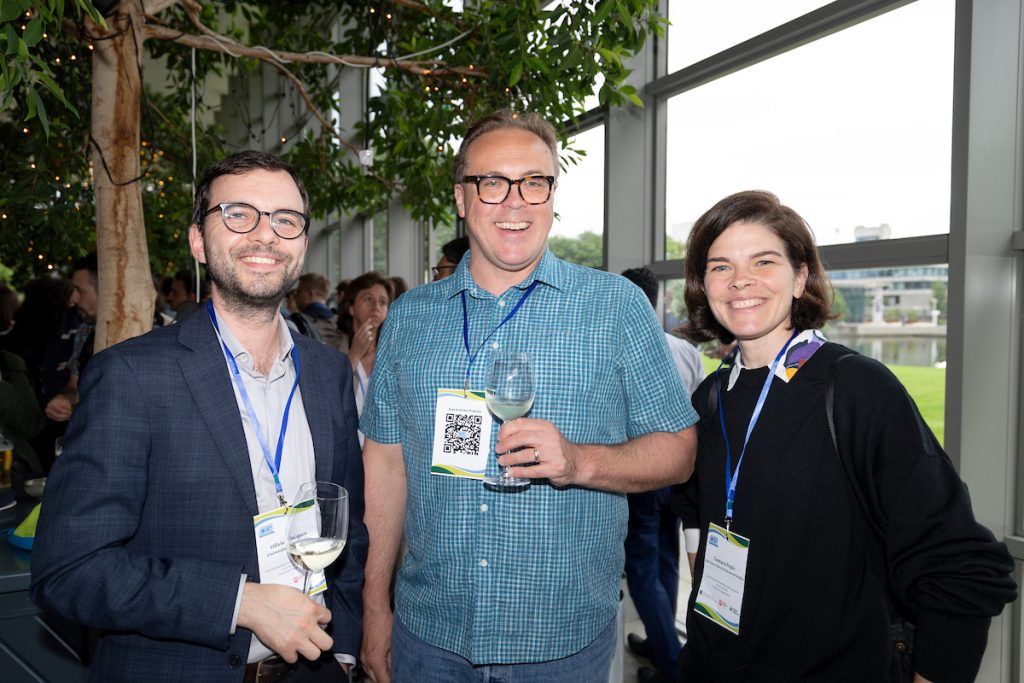

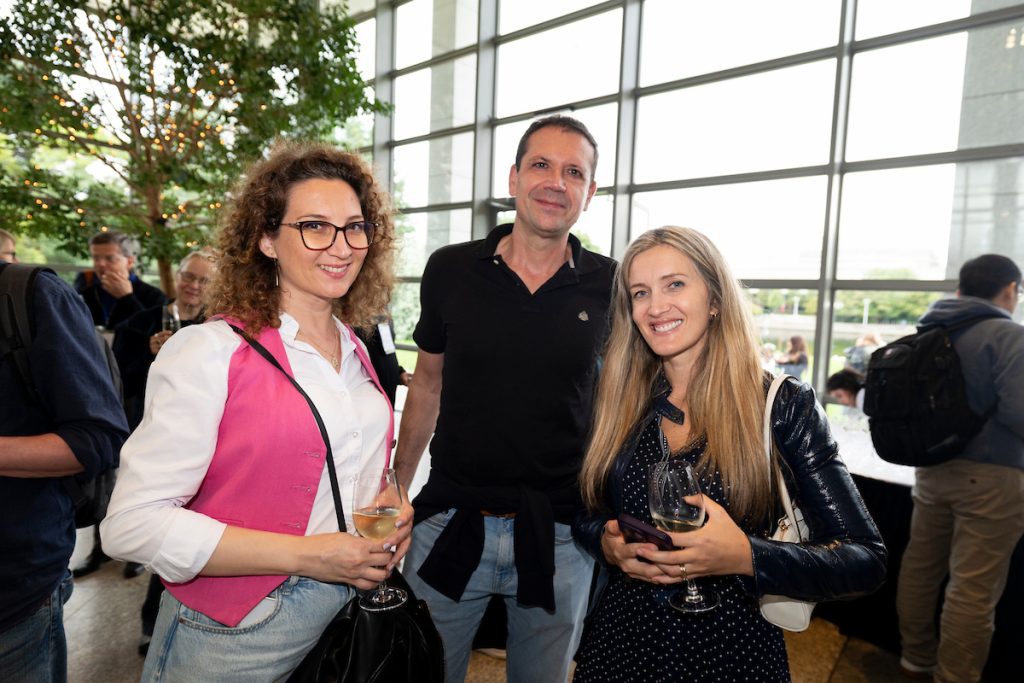


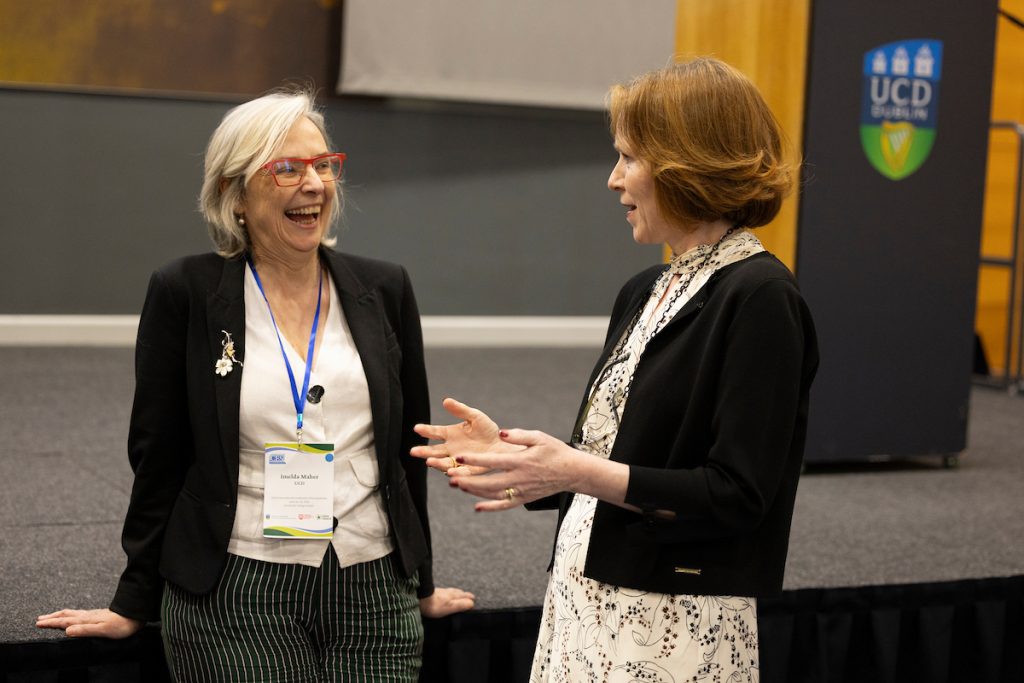
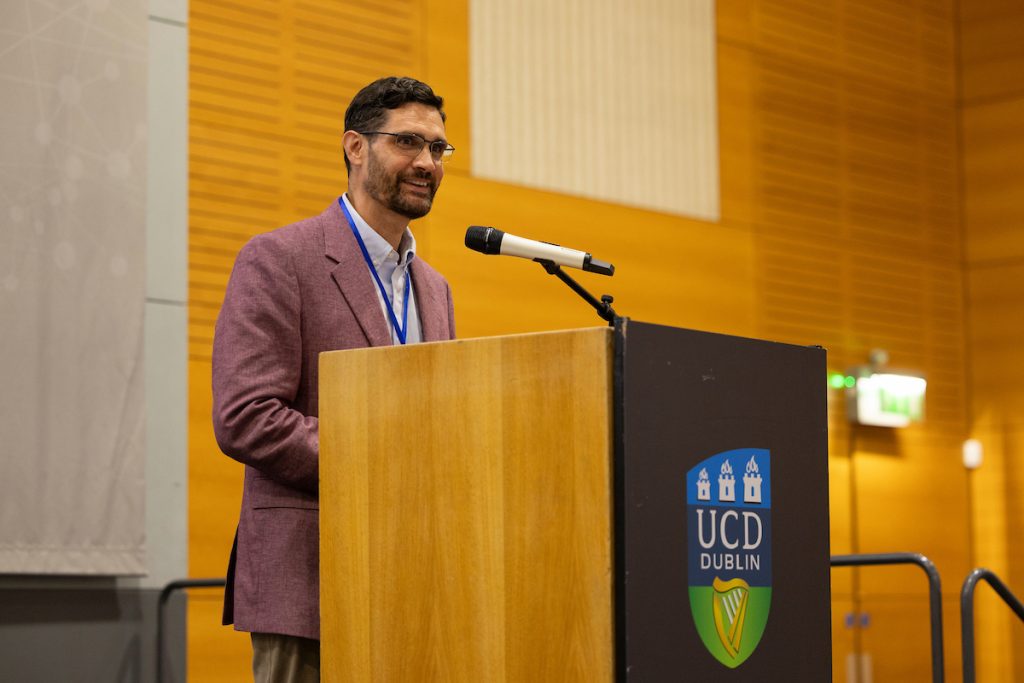







Thanks for joining us in Dublin! We hope to see you in the Netherlands in June 2027.