We invite current CES members to vote for the next cohort of Executive Committee members! Please see below to learn more about this year’s candidates. Please vote for the next Executive Committee Members by December 15, 2026 using this ballot.
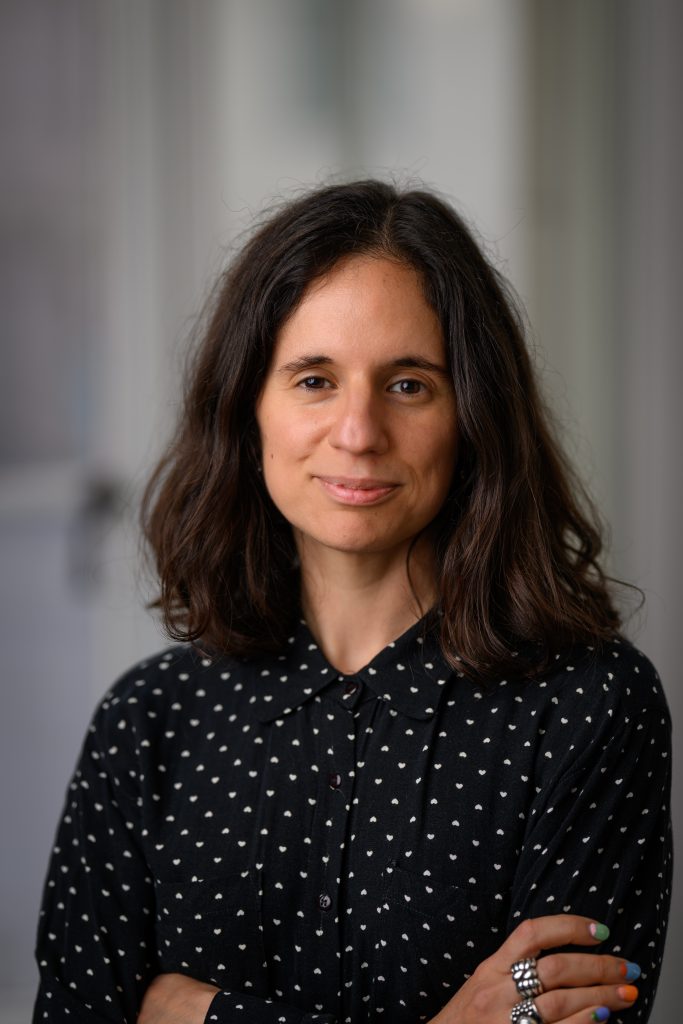
Jimena Valdez, Assistant Professor in Politics, King’s College, London
Jimena Valdez is Lecturer (Assistant Professor) in Politics at King’s College London. Her research focuses on business and labor politics, with a focus on the platform economy. She is especially interested in questions of business power, workers’ rights and workers’ capacity to organize. She also studies the political economy of Southern Europe. Her research and writing have been published in Perspectives on Politics, Government and Opposition, the Journal of Comparative Politics, Regulation&Governance, and Renewal. A Journal of Social Democracy (https://jimena-valdez.github.io/).
I have attended the Council for European Studies’ annual conference for almost ten years: first as a PhD student, then as a postdoc, and now as an Assistant Professor. Throughout this time, CES has been central to building my research community. Through CES I met scholars who later became co-authors and shared panels with colleagues who later sat on my interview committees, and I received generous feedback that not only sharpened the contribution of individual papers but also helped shape my broader research agenda. I would now like to deepen my engagement with CES as a member of the Executive Committee. My first priority would be reaching out to early career scholars in political science and political economy, helping them find their community at CES, and creating opportunities for them to engage with senior scholars, for example through pre-conference workshops. Second, I would like to foster exchange among scholars working on technology, business power and work, topics that cut across disciplines and research networks. Finally, I would like to bring American and European political science closer together, as both strive to understand shared contemporary challenges such as the regulation of capitalism and the concentration of wealth and power.
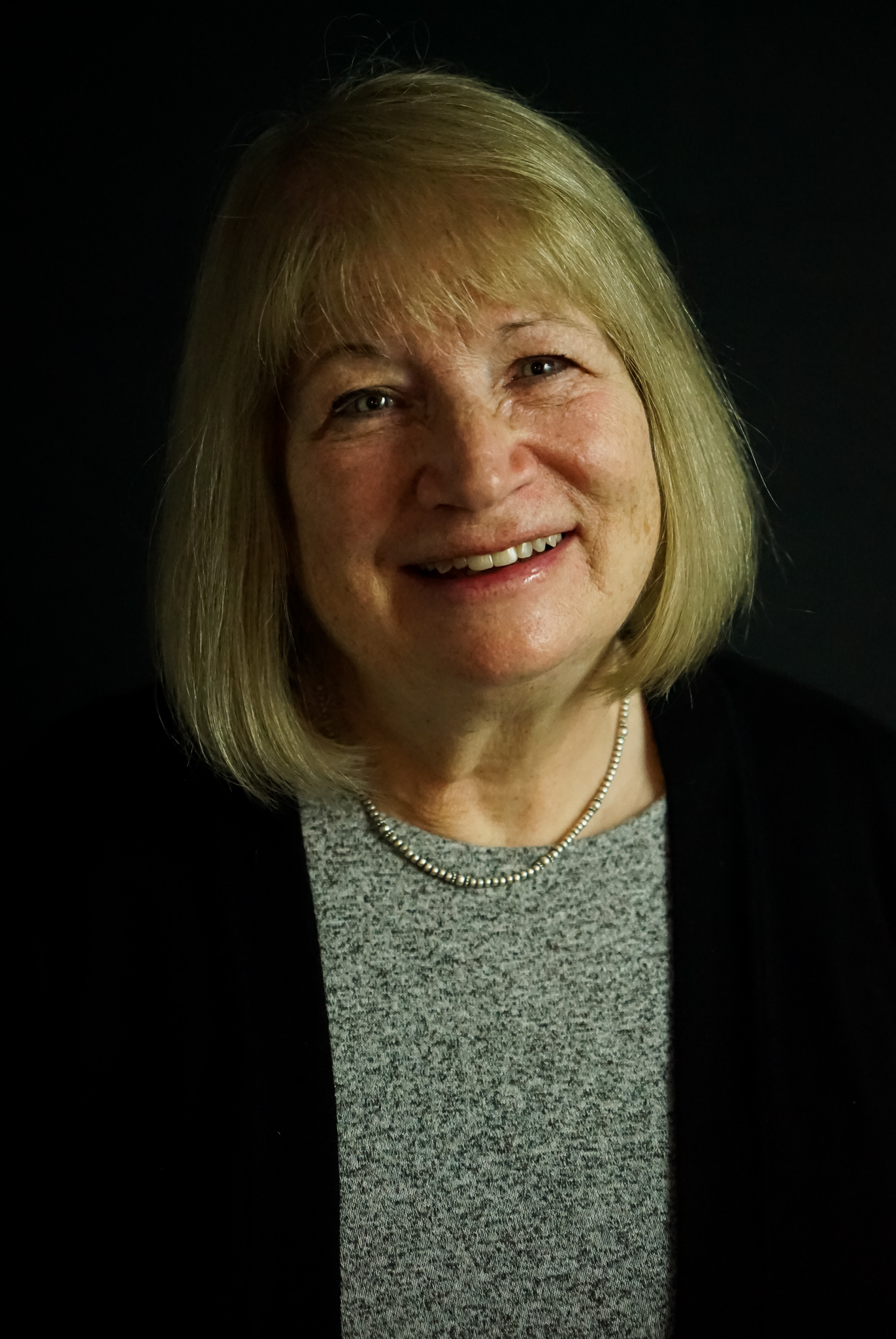
Hilary Silver, Professor of Sociology, International Affairs, and Public Policy and Public Administration, George Washington University, (USA).
Hilary Silver is Professor of Sociology, International Affairs, and Public Policy and Public Administration. She arrived at GW in 2017 after rising through the ranks at Brown University, where she is Professor emerita of Sociology and Urban Studies. Silver served two terms as Editor of City & Community, the journal of the Community and Urban Sociology Section of the American Sociological Association, which honored her with the Lynd Award for Career Lifetime Achievement.
As a lifelong member of CES, I want to help the organization prosper now that it has moved to a new US base and expanded its conferences to European venues. I have previously served on a CES Program Committee and regularly attend meetings, usually organizing panels on social issues related to immigration, political attitudes, and welfare states. Sociology is typically under-represented on the Executive Committee, so while my own research is interdisciplinary, I hope to support the inclusion of European sociological and sub-national affairs in our activities.

Guya Accornero, Senior Lecturer in Political Science, ISCTE-IUL (Portugal).
As a Senior Lecturer in Political Science at Iscte-IUL (Lisbon) and a long-time member of the Council for European Studies (CES), I have been deeply engaged with this vibrant scholarly community. I have served for several years as a co-chair and board member of the CES Social Movements Research Network. Through organizing panels, presenting research, and fostering international collaborations at our annual conferences, I have seen firsthand how vital the CES is for advancing interdisciplinary European studies. Building on this, I have also actively co-organized multiple pre- and post-CES conferences to foster deeper academic exchange. My commitment to the CES is also deeply rooted in practical leadership. For instance, I served as the local organizer for the 2022 CES Conference in Lisbon. Furthermore, I have consistently worked to boost synergies across disciplines by co-organizing joint events that bridge different CES Research Networks, as well as connecting our RN with standing groups from other major international associations (such as ECPR, ESA, and ISA) to explore similar research topics from diverse perspectives.
I am eager to join the Executive Committee to help shape the future of our organization and expand its global horizons. If elected, my core priority will be to champion deeper internal collaboration among CES Research Networks, while simultaneously cultivating external partnerships with diverse research structures and associations both within and beyond Europe. Furthermore, I am strongly committed to fostering a meaningful dialogue with the Global South. Being based in Portugal – a country particularly well-situated to bridge the Global North and the Global South, and Brazil in particular – places me in a unique position to facilitate these vital cross-continental exchanges. Alongside these goals, I aim to strengthen the integration of Southern European scholarship into the wider international community and build robust mentorship pipelines for early-career Europeanists. Crucially, I am dedicated to advocating for interdisciplinary research on pressing civic issues, such as digital and AI-related conflicts, environmental and housing cleavages and rights, and democratic participation and its grassroots innovation. Indeed, I am convinced that high-quality academic knowledge must drive empirical and theoretical advancements while actively fostering social awareness and informing public policies. I look forward to bringing my experience in cross-network coordination and international research management to the governance of the CES, ensuring it remains a truly inclusive, globally connected, and dynamic space for all.

Kenneth Nelson, Barnett Professor of Social Policy and Head of the Department of Social Policy and Intervention, Oxford University (UK)
I am Barnett Professor of Social Policy and Head of the Department of Social Policy and Intervention at the University of Oxford. My research covers comparative welfare states, minimum income protection and, more recently, the links between social policy and decarbonisation. I have presented my work at CES conferences several times, and they have been one of my main venues for exchange with scholars from political science, sociology and economics who work on Europe. I served for many years on the board of ESPAnet (the European Social Policy Analysis network), including as co-chair. That experience showed me how much a scholarly association depends on committed members running conferences, mentoring early-career researchers and keeping a field open and interdisciplinary. As an editor of the Journal of European Social Policy, I bring further experience reviewing work and supporting new scholars. I would like to put this experience to use on the Executive Committee and its conference and award subcommittees, and to help strengthen ties between CES and the European social policy community, including research on the social side of the green transition.

Eliška Tomalová, Head of the Department of European Studies at Charles University and Programme Director of the Erasmus Mundus Joint Master in European Politics and Society, Charles University (Prague).
I would welcome the opportunity to contribute to the Council for European Studies Executive Committee by drawing on my experience in academic leadership, international programme coordination, research, and teaching. As Head of the Department of European Studies at Charles University and Programme Director of the Erasmus Mundus Joint Master in European Politics and Society, I have been actively engaged in building international academic networks and fostering cooperation across institutions, disciplines, and geographical regions. My priorities within CES would include expanding opportunities for MA and PhD students and early-career researchers, strengthening the participation and visibility of universities and scholars from Central and Eastern Europe, and encouraging new forms of dialogue on teaching and learning about Europe, particularly through collaborative educational initiatives connecting European and non-European universities. I believe that these perspectives could enrich CES activities by bringing together research, teaching, and international academic cooperation, while promoting a more inclusive and geographically diverse understanding of European studies. I would also be enthusiastic about exploring the possibility of hosting a future CES conference in Prague, drawing on Charles University’s academic networks and institutional experience.