By Niklas Romberg
Four Penn students share what life actually looks like on the other side of the Atlantic.
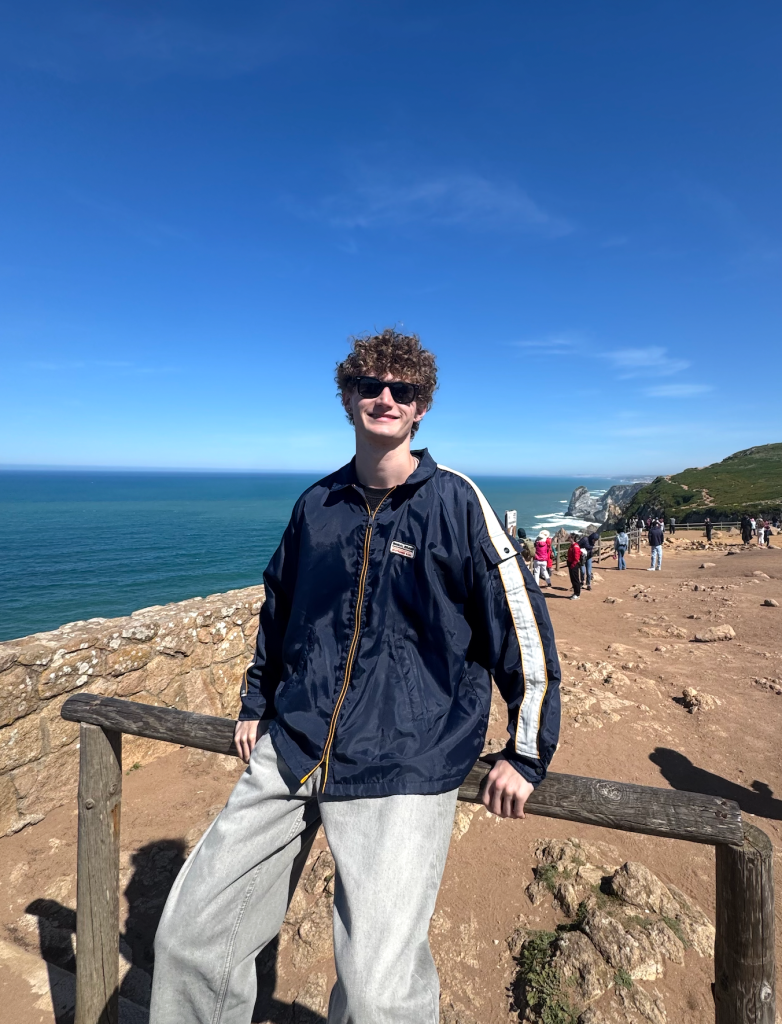
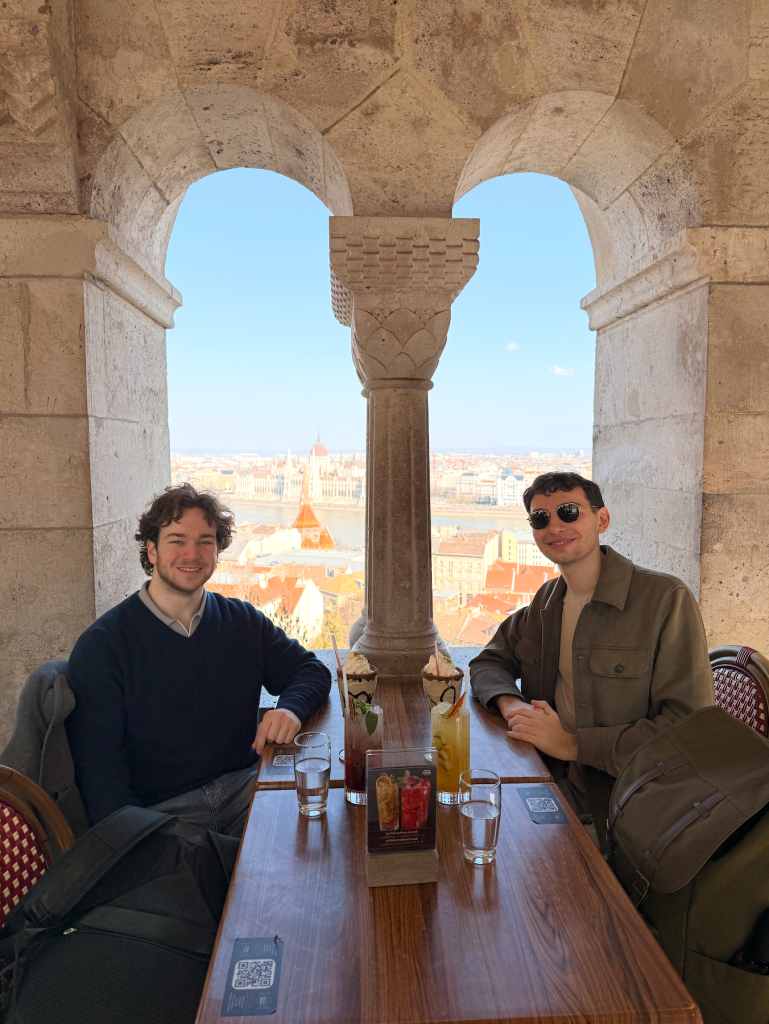
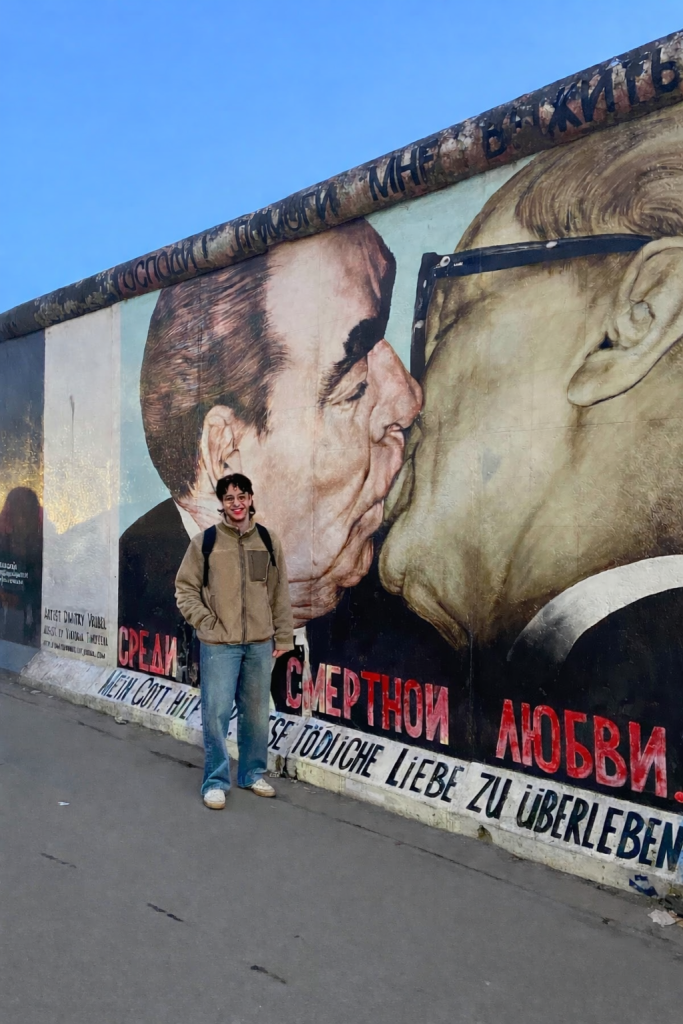
Ethan Crawford, Griffin Forminard, Michael Pignatelli, and Bobby McCann (from left to right)
Every year, a significant number of Penn students pack up and spend a semester at a European university. They come back with a different relationship to independence, to academic pressure, and to their own sense of what daily life can look like. Four of them, currently studying in Edinburgh, Berlin, Bologna, and Barcelona, shared what the experience has actually been like.
A Different Kind of Academic Culture
The first thing most of them notice is how differently European universities approach coursework. At Penn, grades accumulate across problem sets, papers, midterms, and participation. In Europe, the structure is almost the opposite. Bobby McCann, a Philosophy and German major studying at Freie Universität Berlin, put it plainly: one or two grades per semester, no grade inflation, and a lot of pressure concentrated into a small number of high-stakes assessments. Michael Pignatelli, a Computer Science student at the University of Bologna, described a system where an entire course grade comes down to a single oral exam, a fifteen-minute conversation with a professor who then assigns a number that determines everything. “It’s really stressful,” he said. “Months of work are at risk based on one short interview.”
Griffin Forminard, studying Computer Science at the University of Edinburgh, took a lighter view of the workload differential. “I have had four total assignments this semester,” he said. Ethan Crawford, an Economics and Political Science major in Barcelona, described a culture where the expectation is simply not to grind. “There is basically no busy work outside of exams,” he said. “The time you need to put into each class is significantly reduced.” He admitted it took some mental adjustment. “Sometimes I feel extremely unproductive even when there isn’t anything for me to do. I have had to rewire my brain a little to allow myself to enjoy it.”
What Keeps Surprising Them
Each student arrived with some set of expectations, and each had at least one of them overturned. For Pignatelli, it was how quickly Bologna started to feel like home rather than a destination. “I expected to feel like a tourist for months,” he said. “It still felt like real life pretty fast.” For Crawford, it was running into people he had not seen in years, friends from elementary school and old basketball teammates, scattered across European cities as if the continent had reshuffled everyone he had ever known. For Forminard, surprisingly, it was the cost of things. “I quickly ran out of money,” he said. Bobby McCann offered the most direct observation about his fellow Americans abroad. “Americans are very loud everywhere they go,” he said, laughing.
What they love most
Ask any of them what they like most and the answer comes back quickly: the proximity. A two-hour train ride in Europe takes you to a different country, a different language, a different cuisine. Pignatelli described weekends in Milan, Venice, Budapest, and Turin, including a trip to watch Juventus from the ultras section. Crawford has made a habit of spending weekdays in Barcelona and most weekends somewhere else entirely. Forminard is blunt about what the freedom to move around has meant to him. “Walking around and exploring new places,” he said. “That is what I like most.”
McCann, based in Berlin, found his highlight in the cultural life of the city itself: the nightlife, the art, the museums, and the texture of daily life in a place where people spend their free time very differently than they do in the United States. “There is less of a grind culture,” he said.
Would They Stay?
Three of the four said they would seriously consider living in Europe after graduation. McCann cited quality of life. Forminard pointed to public transport and the sheer number of places to see. Crawford described the lifestyle as a stark contrast to the finance and consulting grind that defines so many post-Penn trajectories. Pignatelli was enthusiastic but specific: he could see himself in a city like Milan, modern and fast-moving, but not somewhere that feels, as he put it, like living in a museum, however beautiful that museum might be.
None of them sounded like they were ready to come home. For more information about study abroad opportunities at Penn, visit Penn Abroad
Author Bio:
Niklas Romberg is a Bachelor of Arts in International Relations candidate at the University of Pennsylvania, Class of 2027.